Get trained and job-ready in as little as 4–5 weeks
Hands-on training, multiple locations, and real job opportunities after graduation
Next Class Starts: April 20, Northeast Philadelphia
Start with just a $250 deposit
Choose Your Class
Select your location to view upcoming class dates
Central Philadelphia
Most Popular - Fills Fast
Day, Evening, & Weekend Options
Next class starting soon
Northeast Philadelphia
Flexible Schedule Options
Day & Evening Classes
Schedules starting regularly
Darby, PA (Delaware County)
Small Class Settings
Day & Evening Courses Offered
Regular classes every few weeks
Why Hundreds of Students Choose CareBridge
4.9 rating on Google
Start classes every 2–3 weeks
Graduate and be job-ready in just 4–5 weeks
3 convenient locations across Philadelphia
Hands-on clinical CNA training
Job placement support after graduation
Start with just a $250 deposit
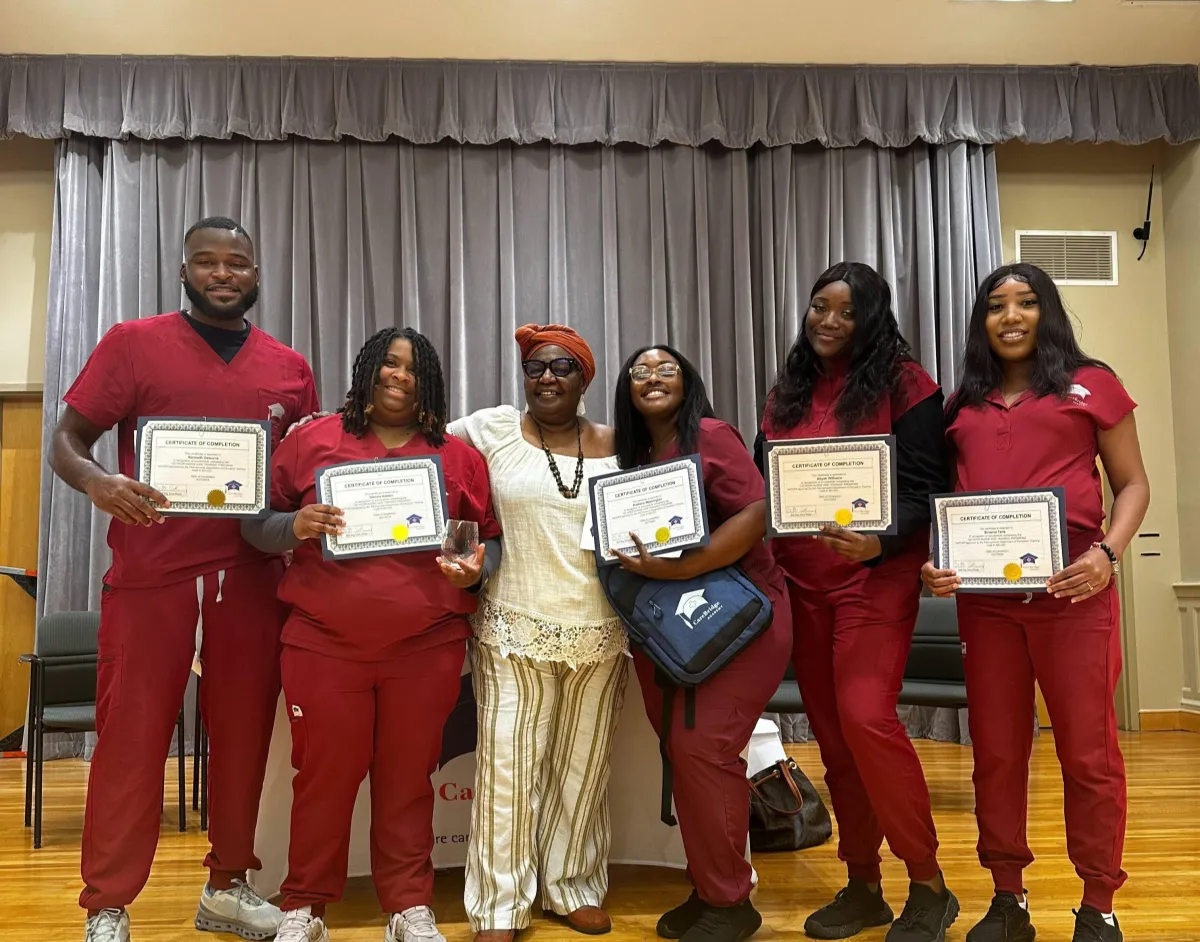
Recent graduates celebrating success from our CNA training program
Getting started is simple
How It Works In 3 Steps

Apply online
Takes about 30 minutes

Reserve your seat
Secure your spot with a $250 deposit

Start your class
Begin training & get job-ready
Our Locations
Choose the location closest to you to view upcoming classes
Darby, PA (Delaware County) Campus
1201 Springfield Rd
Darby, PA 19023
Central Philadelphia Campus
448 N. 10th St., Suite 400
Philadelphia, PA 19123
Northeast Philadelphia
8580 Verree Rd
Philadelphia, PA 19115
What Students Are Saying
Join hundreds of students and over 1500+ alumni who started
their healthcare careers with CareBridge Academy

"Loved everything so far"
“Finished the program and passed both exams on the first try.”
- Nicole Ware


"Enrolling in the program was so seamless."
“I’m now working as a CNA after completing the program.”
- Nikeia Marie

"I had a great experience"
“The program was quick, easy to follow, and very hands-on.”
- Isaiah Tendean

"I'm CNA certifed with their guidance"
“They were attentive, knowledgeable, and organized.”
- D James

"This was the best decision I could have made."
“Failure was not an option”
- Eu'Mia Featherstone
CNA Career Center

What CNA School Courses Are Offered In Northeast Philadelphia?
admin Published on: 02/26/2026
Explore the CNA training courses available in Northeast Philadelphia, including hands-on clinical instruction, flexible class schedules, and the skills you need to start a career in healthcare.
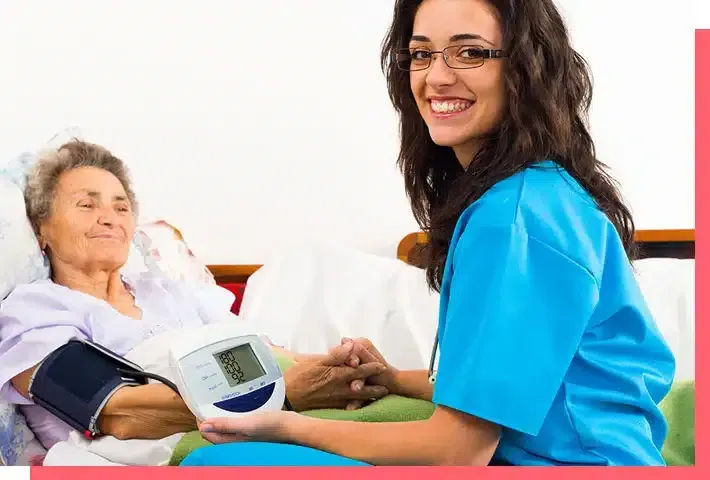
What 4 Week CNA Programs In Philadelphia Are Near Me?
admin Published on: 03/13/2026
Discover fast-track CNA programs in Philadelphia that can be completed in as little as four weeks, offering hands-on clinical training, flexible schedules, and a quick path to starting your healthcare career.

What is the fastest way to be a nursing assistant in Pennsylvania?
admin Published on: 01/31/2026
Learn the fastest way to become a CNA in Pennsylvania, including accelerated training programs, certification requirements, and how you can start working in as little as a few weeks.


Contact us
Admissions Office (by appointment):
448 N. 10th St., Suite 401
Philadelphia, PA 19123
Phone:
Call or text for fastest response
Fax: 215- 201-4870
See real students & results.
Follow us today→



Still have questions? Touch base below & secure your spot
Join 1,500+ students who chose CareBridge
Quick response •No obligation •Flexible schedules available